
Map the work
Define the users, records, decisions and integrations. Confirm what can be accessed and which parts of the existing process should stay.

When a customer request moves between spreadsheets, inboxes and disconnected tools, a new screen is only part of the answer. We scope CRM, portals and integrations around the people, records and handoffs that need to work together.
UK-wide remote delivery. No Manchester office or local client claim is made.
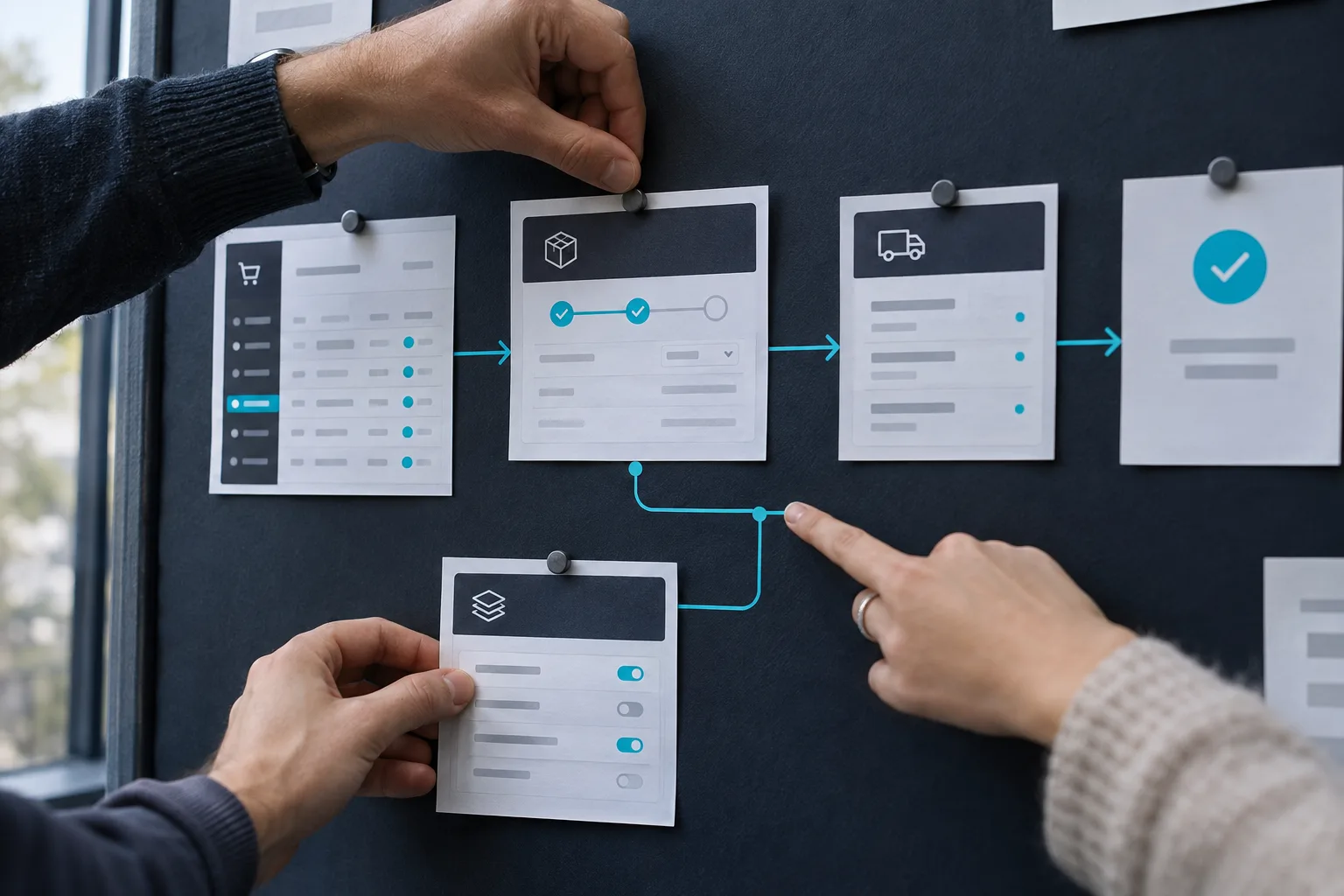

Photo: David Dixon
Tower Blocks over Knott Mill, geograph 6866152 by David Dixon.jpg (Source) · CC BY-SA 2.0
Reduced-resolution copy; cropped to fit the card. Available under the stated licence.
Start smallOne workflow and its real exceptions
Connect carefullySystems, permissions and data ownership
Deliver in phasesReview working increments before expansion
A bespoke build is one option. Reconfiguring an existing product or connecting two tools may be enough. For a Manchester project, the first decision is what needs to work—not which framework gets named in the proposal.
Define the users, records, decisions and integrations. Confirm what can be accessed and which parts of the existing process should stay.
Compare build, buy and integration options. Agree the first phase, dependencies, exclusions and review points in writing.
Review working journeys and permissions, including failure cases. Data migration needs its own mapping and validation checks.
Confirm access, original deliverables and support responsibilities. Further development and ongoing care are scoped separately.
A relevant project should explain what was built and what the team needed—not imply that an unrelated client is based in Manchester.
The example below records an existing delivery. Its scope should be assessed on its own merits; another project needs its own requirements and acceptance criteria.
A B2B ordering portal connecting orders, central inventory and user permissions. The published case study describes the operational requirement and delivery; private screens and client data are not reproduced here.
Read the approved case study ↗A customer-facing website may be the start of a longer journey. If the brief includes ecommerce, a phone-first application or campaign enquiries, define how those routes connect to the operational system.
Website design, software delivery, mobile apps and digital marketing are separate scopes that can share a common business goal. Agree which work belongs in the first phase and who maintains each part afterwards.
A simple sequence or anonymised example is enough to explain the task. Do not put passwords or sensitive client records into a general enquiry.
Name the CRM, accounting, ecommerce or other tools, and identify who can confirm integration access and restrictions.
Define the operational change or customer journey that matters. Any time-saving or performance target needs a baseline before it can be evaluated.
Separate the essential workflow from later ideas. Timing and commercial terms depend on scope and access, not a universal package promise.
Use the enquiry form below to outline the workflow and existing systems. Delivery is remote or project-specific; any meeting arrangements and support responsibilities are agreed in the scope.