
Make the menu readable
Use real text for dishes, descriptions and prices. Keep any downloadable menu aligned with the page so two different versions do not circulate.

For a Brixton food or hospitality business, a visitor often arrives with a simple question. We build around those questions so the atmosphere of the site supports the decision instead of slowing it down.
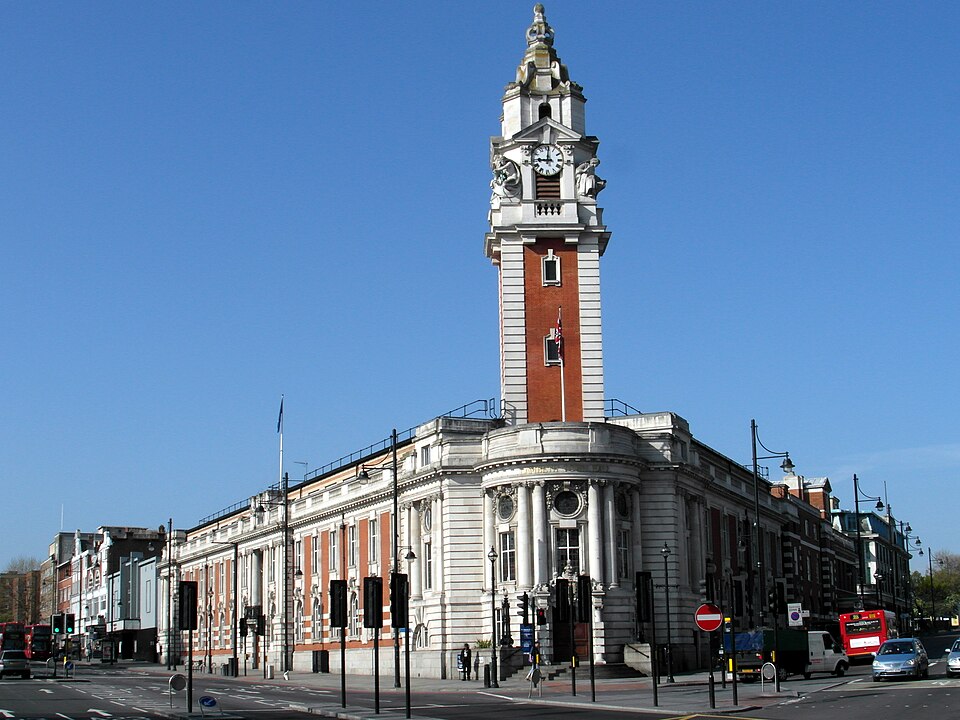
Photo: Reading Tom from Reading, UK
Lambeth Town Hall (8715334040).jpg (Source) · CC BY 2.0
Reduced-resolution copy; cropped to fit the card. Available under the stated licence.
These are the questions we would work through for this Brixton brief. The final scope depends on your current site and how the business operates.
Use real text for dishes, descriptions and prices. Keep any downloadable menu aligned with the page so two different versions do not circulate.
Separate ordinary table bookings from large groups or private hire. Explain when a request needs confirmation from the team.
Agree who changes opening times, menu availability and special-event information. Date-sensitive content should have a clear review point.
Brixton is known for food and music, but your website needs to be precise about your own offer. Customers should be able to read a menu on a phone, understand when it is served and find the correct booking or group-enquiry route. We can separate everyday service from special events and private hire, with a content process that makes price or opening-time changes manageable.
Our Grill & Thrill case study covers a native ordering app and its kitchen POS connection. It is a real Xapner hospitality project, not a Brixton restaurant website or a table-reservation example.
For a restaurant website, decide whether the immediate task is reading a menu, reserving a table or placing an order. Each action should lead to the correct existing system rather than an ambiguous booking button.
Share the current menu, booking link and group-enquiry process. Include the questions customers ask before a visit, especially where different services have different arrangements.
Check the mobile page during an ordinary customer journey. Opening details, the readable menu and a suitable booking route should all be easy to locate.
A few details worth settling before design or development begins.
Yes, if it supports the journey you need. We can review the transition from the website to booking and check the confirmation information.
Your responsible team must supply and approve it. We can make the information easier to find, but should not infer ingredients or safety claims from a menu description.
Use the short form below, email or WhatsApp to describe the work. We review the brief remotely and agree deliverables, responsibilities and costs before starting. Any third-party subscriptions or ongoing support need to be included in that discussion.